
Discover the 7 Main Interior Design Styles
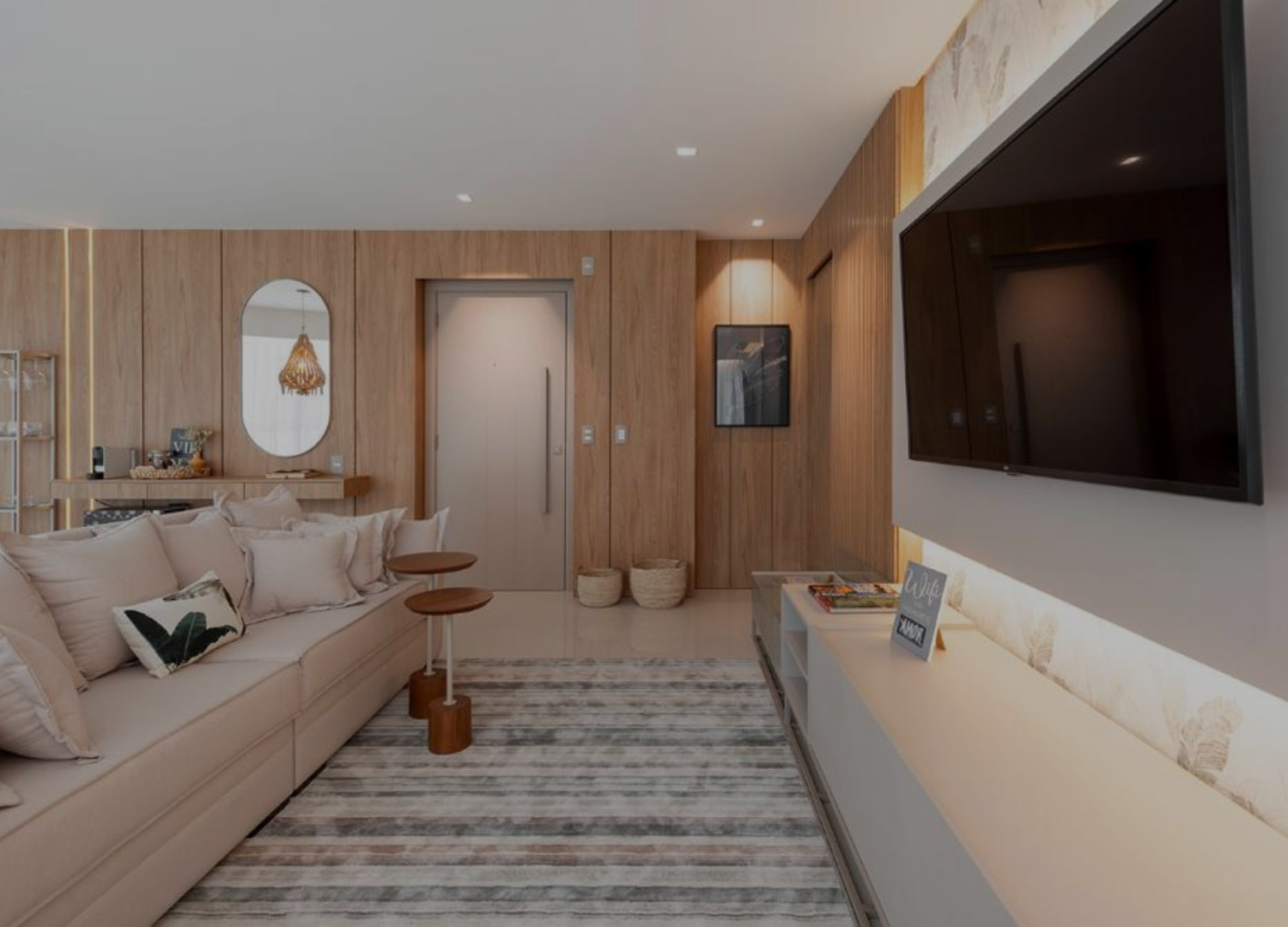
Choosing a home's interior design style is a way to make the space more welcoming while reflecting the personality of its residents. In this sense, décor trends are becoming increasingly appealing, ranging from modern ideas to more classic approaches that can suit the routines and preferences of different families.
Have your customers been putting off that long-awaited renovation because they still haven't decided which interior design style to follow? Then why not take the opportunity to learn more about the styles that have been trending recently and help guide them, providing an excellent customer experience?
Below, we will explore the interior design trends that are currently standing out, as well as the styles most often chosen by those looking to combine comfort and beauty by creating cozier spaces full of personality. Keep reading, master the subject, and make your store a reference in the industry!
Trending Interior Design Styles
For décor with a more “clean” vibe and neutral tones—which are highly sought after nowadays—there is nothing better than opting for combinations of custom-designed furniture, right?! In fact, this is one of the biggest trends for this year.
If your customers are planning to renovate their homes, they are probably already wondering which décor styles best match their personalities. So, in the following sections, we will highlight the most popular décor styles and those that are currently true trends, helping you provide your customers with some direction. Check them out!
1. Classic Style
The classic style can be recognized by the refined and elegant details of the décor, which is inspired by Greco-Roman architecture. The look generally combines wood-finish furniture with light-colored upholstery, creating the impression that the space is larger and much brighter.
One particularly interesting point to highlight is that the classic décor style is reminiscent of a society that lived in a time when objects were symbols of wealth and status. Therefore, in this context, the presence of gold, for example, was synonymous with high purchasing power.
2. Retro Style
Retro-style décor is inspired by new furniture featuring vintage-inspired designs. The colors used are usually more vibrant and intense, complementing wooden furniture with distinctive characteristics, such as pieces with tapered “hairpin” or “spindle” legs, which were widely used between the 1950s and 1980s.
Although the look is quite similar to the vintage décor style, the main difference is that the furniture used to create a more retro feel in a space is not actually old or inherited from previous generations. In other words, it is essentially a modern reinterpretation of the past. Pretty cool, right?!
3. Minimalist Style
The minimalist décor style is cleaner and more understated, without excessive decorative elements. In fact, wooden furniture and neutral, muted colors tend to dominate this style.
This approach creates a harmonious and serene atmosphere, bringing comfort and sophistication to the space. Furniture arrangement also plays an important role in the chosen style, and in smaller spaces, minimalism greatly enhances the balance between colors, furniture, and lighting.
4. Modern Style
This décor style can be adapted to different spaces and a variety of preferences, providing an inspiring approach to creating a welcoming and vibrant environment. Its most distinctive characteristics are simplicity and practicality.
For this reason, the decorative accessories used in a modern look reflect these characteristics. Furniture, for example, tends to be low-profile and feature wood accents, with straight lines being predominant. Natural lighting also complements this décor style, making the space much more pleasant and inviting.
5. Rustic Style
The rustic look is another timeless décor style and, in a way, can be considered the opposite of the previous one. Sometimes confused with colonial décor, the rustic style brings the cozy atmosphere of the countryside into the home, with spaces featuring more natural and simple elements.
Interestingly, rustic style is strongly influenced by the décor found in the former colonies of European countries. At the time, immigrants sought to bring comfort and sophistication to their properties.
The strong connection with nature that defines rustic décor makes wood the true star of the style. However, it is worth mentioning that steel and stone complement it perfectly, creating a great combination!
6. Industrial Style
The industrial décor style is still very popular—especially among those looking to move away from a more contemporary and “clean” aesthetic without necessarily giving up a modern look. In these spaces, exposed beams and pipes are common, while wood, concrete, and metal tend to dominate.
The idea is to create a space that conveys the atmosphere of a warehouse or industrial loft. In addition to higher ceilings, other common characteristics include muted and neutral colors, such as gray and brown; aluminum or copper light fixtures; and walls finished with polished concrete or even exposed brick.
7. Maximalist Style
We have already discussed the minimalist décor style, so it is worth dedicating a section to its “opposite”: maximalism. Moving away from the “clean” aesthetic, this approach embraces the popular idea that “more is more.”
The main characteristics include:
Creative freedom — this is evident both in the boldness of the colors used throughout the rooms and in the choice of decorative items and selection of different textures;
A combination of different décor styles — in maximalism, mixing trends from various styles is highly encouraged, incorporating ornaments and details associated with retro, modern, and other aesthetics;
Reflecting the residents’ personality — another remarkable feature of maximalist décor is that every room becomes unique, as it accurately reflects the residents’ preferences and lifestyle.
However, one key aspect to keep in mind is that maximalist décor is far from being “messy.”
In fact, the style can be perfectly described as “harmonious diversity.” An excellent approach is to complement the colors used—whether they are different vibrant shades or more neutral tones, such as black and white—with statement furniture. Therefore, it is worth investing in a variety of patterns and textures.
So, are you now feeling confident enough to guide your customers through the trends and characteristics of the different décor styles available? Mastering the countless possibilities and being able to guide your target audience toward good—and harmonious—choices for their home décor can help establish you as an authority in your field and has the potential to make your store stand out from the competition.
Was this article helpful? Use the comments section to mention other décor styles that have been gaining popularity and help make this post even more informative. Let’s get started!